What to buy as a gift in Russia to take away its spirit, its cultural code, and its tangible and intangible riches.

“Exit through the gift shop” — a sign one invariably encounters in almost every museum, be it the Hermitage, the Tretyakov Gallery, or the Louvre in Paris and Abu Dhabi. Why are we so insistent on buying souvenirs when we travel? Why do museums sell them, turning themselves into vast supermarkets? These are complex, contentious questions about the very nature of contemporary consumer society (it is no coincidence that Banksy, the foremost street artist of our time, once made a sardonic film entitled Exit Through the Gift Shop).

Yet Watch Russia is by no means opposed to souvenirs. On the contrary, we are convinced that they help us forge a particular emotional bond with a place — the city, region or country we have visited and where we have learnt something new. Which means we have come to see the world and ourselves differently, and perhaps grown more open to other customs, traditions and cultures. Souvenirs are our memories of those moments when, far from home, we felt happy, intrigued and well fed. Indeed, the word entered Russian from the French souvenir — ‘memory’ — and the Latin subvenire — ‘to come to mind’, ‘to be recalled’. So souvenirs are not merely objects, things of the kind that clutter our consumption-obsessed world, but acts of memory, diaries of lived experience, a way of lingering long in the place where we acquired them and making that place our own.
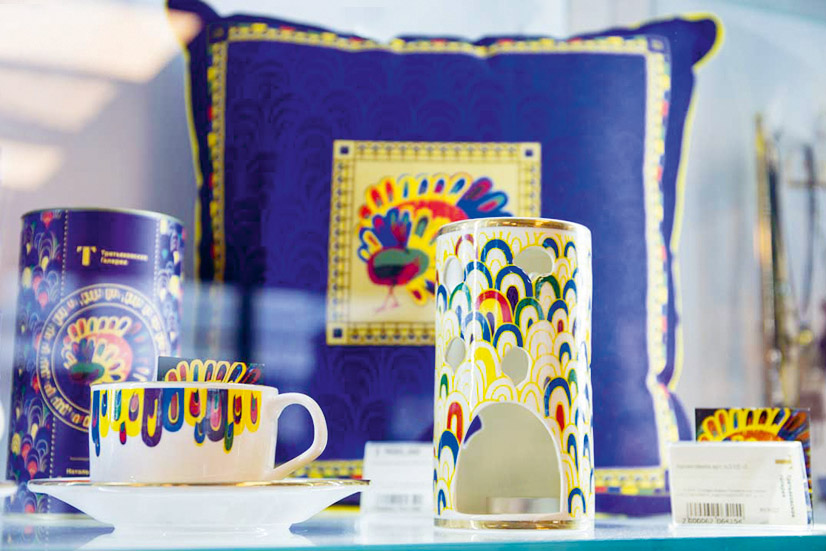
Of course, not all souvenirs are created equal. If we want our connection with a place we have visited as tourists — whether abroad or at home — to be stronger, deeper and more genuine, it is worth buying something made with love by those who live there, who shape its ‘spirit of place’ and act as its genius, as the ancient Romans called the guardians of their household hearth. A memento may cost next to nothing, or it may be expensive, even very expensive; enormous enough to fill an entire wall, or small enough for a shelf, a fridge or one’s own lapel; long-lasting or short-lived (foodstuffs make wonderful souvenirs, for tastes and smells remain in our memory forever).

Together with Olga Rastegaeva, travel journalist and founder of the Orange Traveler blog, we share ideas for gifts to bring back as a memento of a journey to or across Russia — for yourself and for others — that reflect the country’s cultural code and its true heritage. We are confident that our selection will be useful both for those arriving here as guests on holiday or business, and for Russians themselves, who might also do well to look at their homeland through a tourist’s eyes from time to time and discover it anew.
The Pavlovo Posad shawl has always been, and remains, an absolute triumph, particularly when it comes to choosing a gift for a woman. A 148×148 cm shawl strewn with full-blown roses is not merely a vivid accessory straight out of a Boris Kustodiev painting; it has long been a fully fledged element of the national dress of many of our country’s ethnic groups. I always explain that these shawls are printed using traditional techniques on pure wool fabrics, that the knotted fringe edging — worked “five squares deep” — is done entirely by hand, and that they are given names such as “Zhenskoye Schastye” (Women’s Happiness) or “Lyubushka-Golubushka” (Darling Sweetheart). And the pattern, according to Zlata Olshevskaya, one of the manufactory’s most celebrated artists, must be striking enough to “stop a steam locomotive in its tracks”. Yet although the classics are beyond dispute, you can always find something ultra-fashionable in the brand’s own boutiques: the manufactory collaborates with young designers, presenting an enormous selection.


Once, during a cookery masterclass in Sri Lanka, as a well-known chef was introducing me to the local cuisine, I handed him a wooden spoon decorated with the Khokhloma “kudrina” motif. The gift proved so timely that he immediately began stirring his curry in a ceramic pot with it. I buy wooden tableware — small shot glasses and tumblers, spoons and ladles — as well as jewellery such as earrings and necklaces, by the handful whenever I am in Nizhny Novgorod, or order them from the official website of the factory in Semyonov. If you need a more prestigious present, look for unique lamps and interior pieces by designers Olga Mikkova or Dmitry Loginov, or jewellery from brands collaborating with Khokhlomskaya Rospis, such as Yaroslavna.


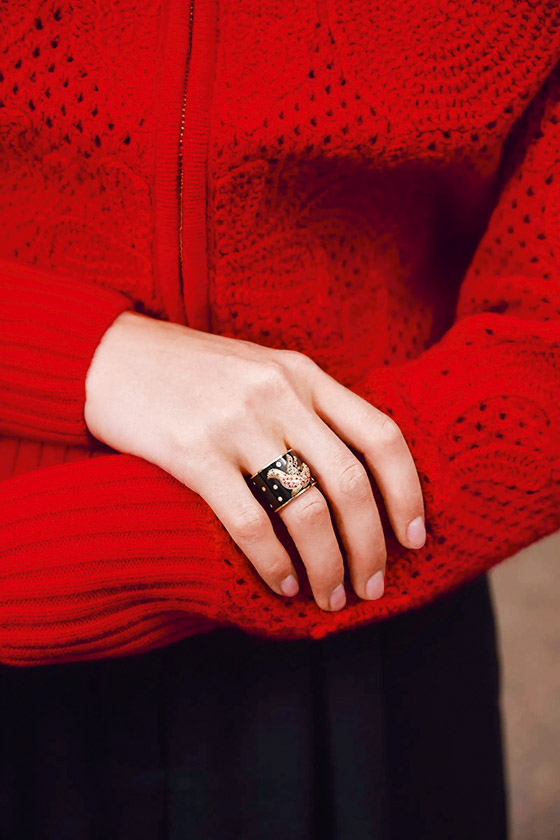

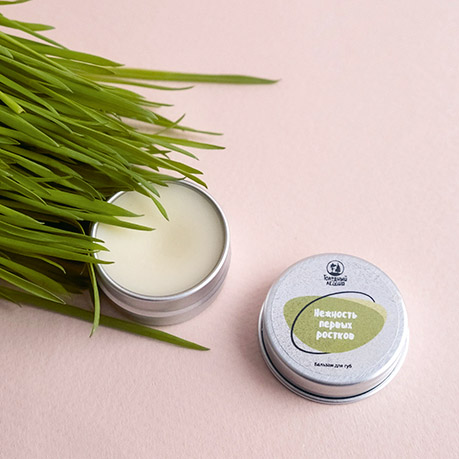
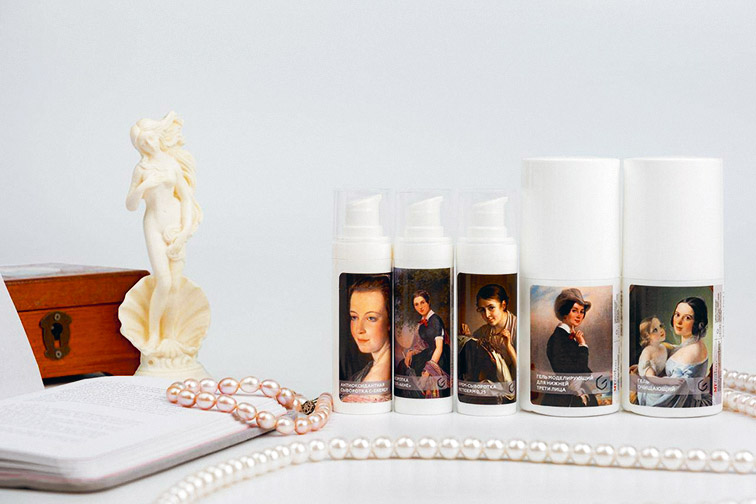
Gifts from Russian perfumers and cosmetics makers should be presented alongside a beautifully illustrated book of Russian fairy tales. That way, as you hand over the present, you can introduce the recipient to the main characters, explaining in detail the trials Vasilisa the Beautiful had to endure before she could marry Ivan Tsarevich, why the rusalka perches in the branches of trees, and how Baba Yaga manages to lure fine young men into her hut. And what it all smells like. Brocard has its Russian collection, ‘Ladanika’, Geltek offers hand creams, while lip balms and body creams are to be found at Golodny Leshy. As for the ‘sea princesses’ — everyone loves the hydrogel patches made from White Sea laminaria by the Arkhangelsk plant.
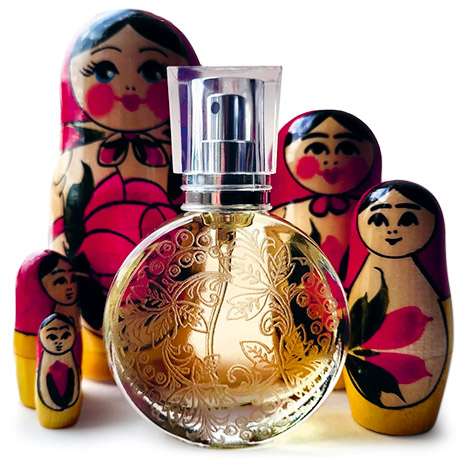 ‘Matryoshka’ perfume by Ladanika, a brand uniting Russian perfumers. © ладаника.рф


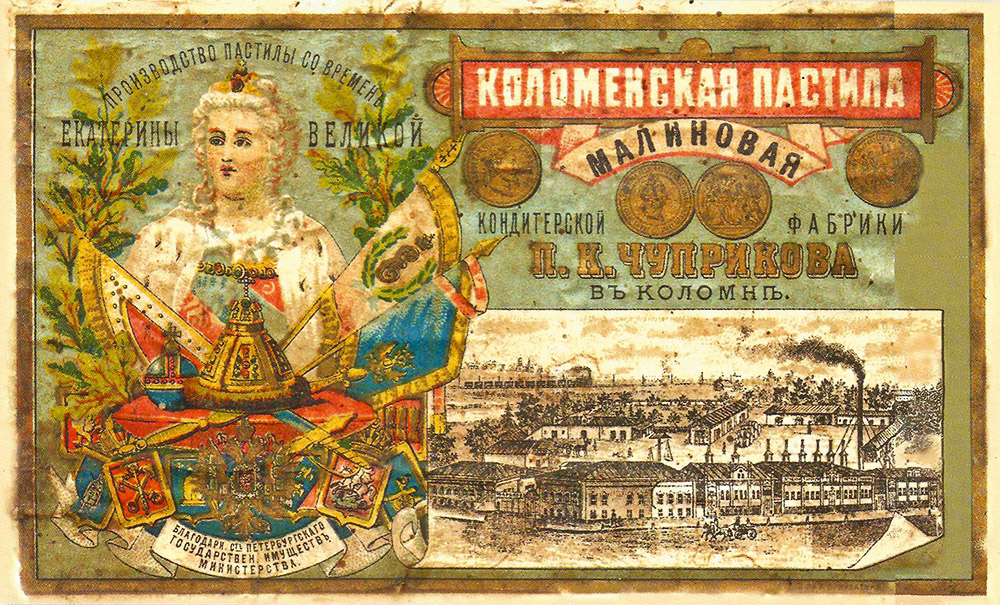
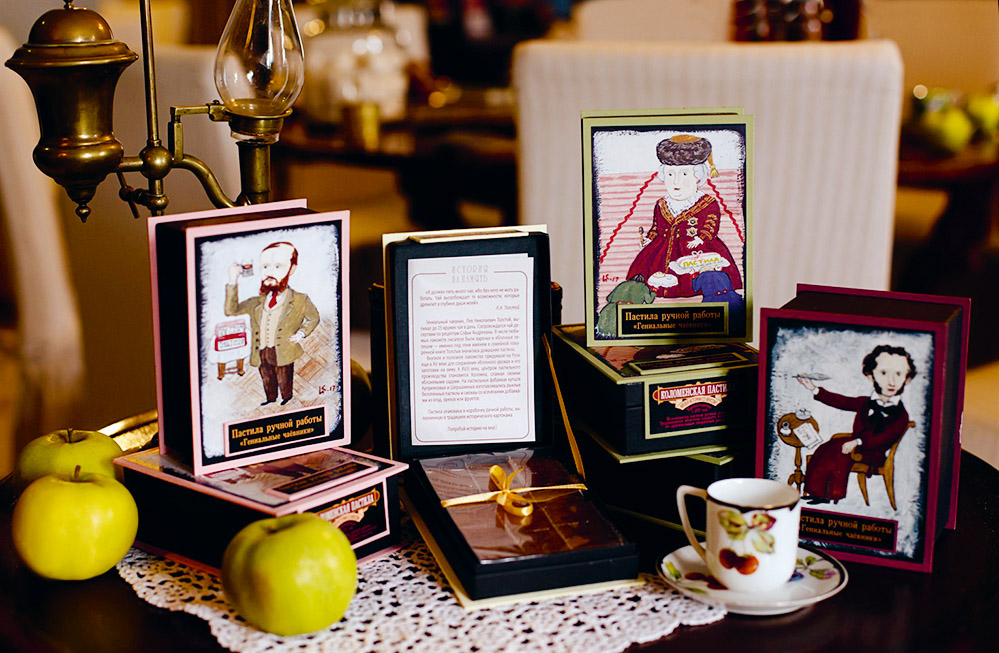
Everyone loves sweets! And we have plenty to surprise our foreign friends with. Let us begin with pastila. Once, visiting a small factory in Belyov, I was captivated by the process of making it: baked apples were whipped into a foam, rubbed through a sieve, mixed with egg white and berries, then ‘pastila-ed’ into moulds to dry. Ever since, I have regularly bought this apple confection, though more often than not I prefer Kolomenskaya Pastila — for its more refined appearance in stylish packaging and its variety of flavours.
My sweet gift list includes gingerbread — Tula pryaniki with a fruit jam filling, Gorodets or Arkhangelsk kozuli — as well as iconic sweets: Zolotoy Klyuchik and Mishki na Severe toffees, creamy fondant and sugar-coated cranberries, the latter of which I order from Komi.



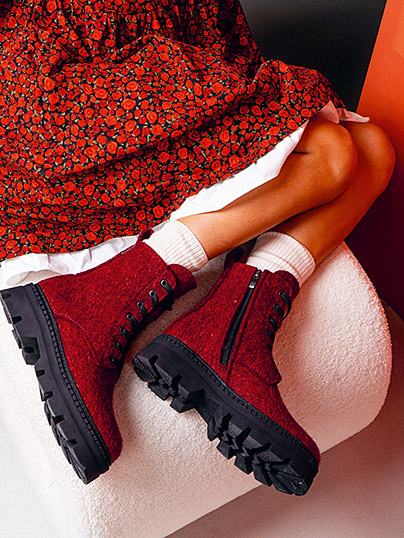
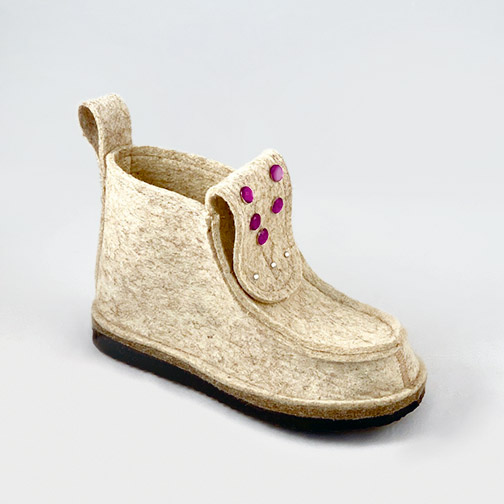
Valenki enjoyed excellent PR in the 19th century — many people in Europe knew of their existence. Traditional Russian felted footwear was taken to international exhibitions in London, Vienna, Chicago and Paris. In the early 20th century, valenki became a strategic commodity, supplied to Red Army soldiers, while in the early 21st they turned into an excellent gift for those living in temperate climates. For cool evenings one can find a wonderful pair — numerous artels offer designer valenki and valetshi (short boots) with embroidery, appliqué, galoshes or soles. The simplest models can be found in the catalogues of Kukmor Valenki, Chuvash Valenki and the Yaroslavl Felt Footwear Factory, while designer felt footwear is available from brands such as Voylok or Marevo.




Until the 18th century, the window surrounds on peasant houses were purely practical elements: they sealed the gaps and protected against draughts and damp. Later, however, window façades began to be decorated with carving, showcasing local traditions and the carpenter’s skill. Although there was a touch of the owner’s pride in this, along with the fashions of the day and ritual symbolism, the surrounds became an element of ‘grand architecture’. To this day, travelling through the Volga region, the towns of the Golden Ring and the Russian North, one can encounter a wealth of fine examples. And craftsmen have skilfully rendered them in miniature. Assembly kits comprising more than 250 parts, including tiny logs and curtains, make a wonderful gift. Surrounds from Suzdal, Ulan-Ude and Vologda are sold on marketplaces as well as in design shops such as nalichniki.com.


