Travellers from the Arab countries have developed a taste for, and fallen in love with, journeys to hospitable, still largely undiscovered Russia. We explain what brings them here — and why they are always delighted to return.
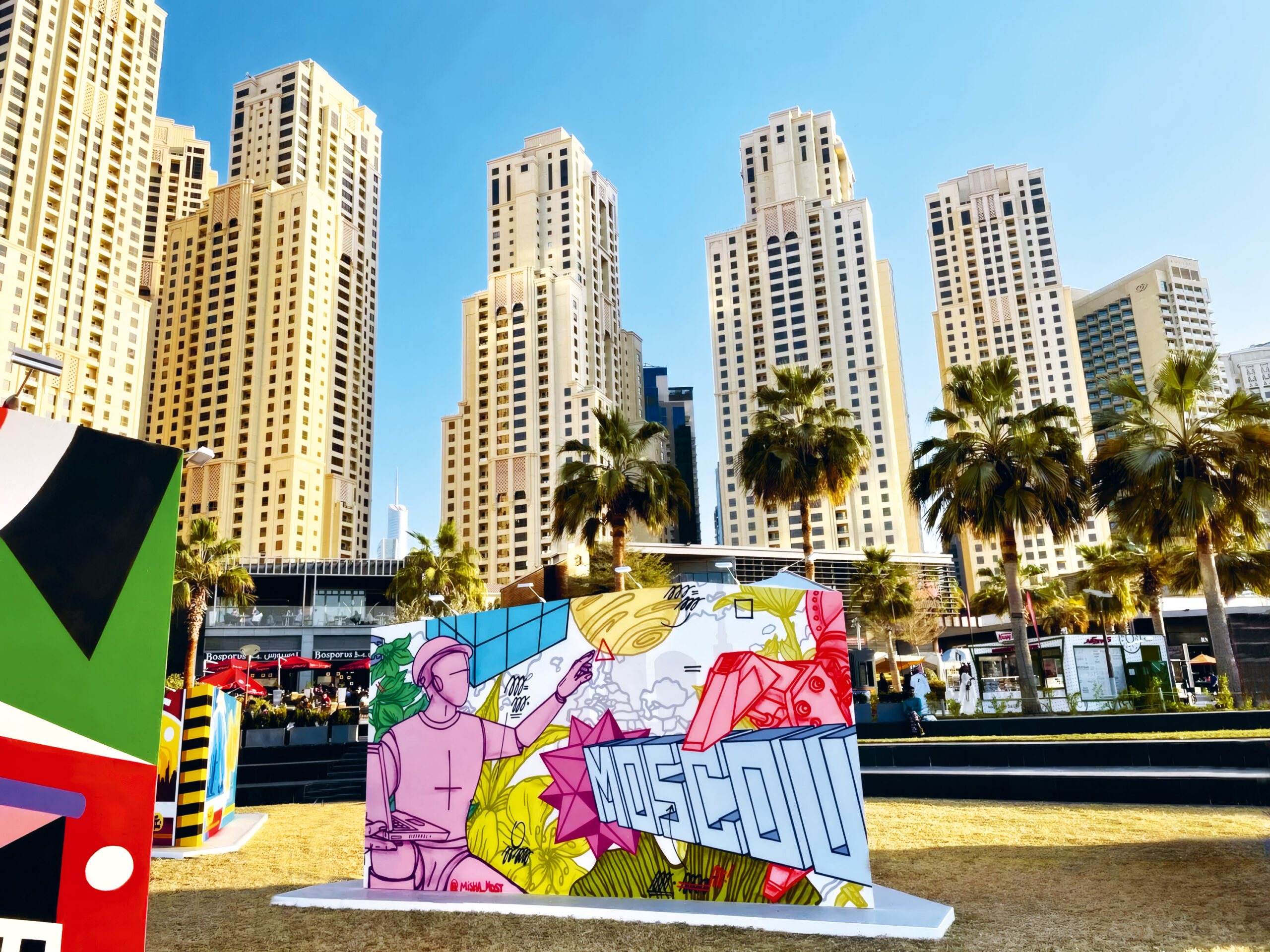
In 2025, the Association of Tour Operators of Russia reported a remarkable shift in the inbound tourism market: having tallied up those visiting Russia, it found that tourists from Saudi Arabia and the United Arab Emirates had unexpectedly broken into the top six countries generating visitor numbers. Only a few years ago, these nations did not even feature in the top 30. Now they are travelling here in force. And these are genuine tourists: the list of countries currently sending visitors to Russia includes China, Turkey, Turkmenistan, Germany, Saudi Arabia, the UAE, India, Iran, Kazakhstan and Cuba. Yet in premium hotels, guests carrying Kazakh or Turkmen passports remain few and far between. For the colourful and generous Saudis and Emiratis, by contrast, menus are being rewritten and entire blocks of rooms set aside, adapted to the religious requirements and domestic standards of these guests. Watch Russia explores how we are welcoming these affluent and discerning Arab travellers.
Overall, by the end of the year tourist arrivals from the Gulf states had risen by 250% compared with the previous year’s figures. The travel industry takes the start of the Covid epidemic as its baseline. Compared with the “pre-pandemic era”, then, the number of visitors from the UAE has tripled; arrivals from Kuwait have increased sevenfold, from Qatar fourfold, from Oman fivefold and from Bahrain sixfold, while traffic from Saudi Arabia recorded a remarkable thirteenfold rise. According to Cosmos Hotel Group, one of Russia’s largest hotel chains, Chinese travellers accounted for 34% of foreign guests last year, while visitors from Arab countries took 43% of rooms. Given that the chain’s flagship hotel on Novy Arbat, built on the site of the demolished Dom Svyazi (Communications Building), opened last summer, this season’s figures could prove even more striking. The statistics may well match those of the Baltschug Kempinski Moscow, where in certain seasons up to 80% of guests came from the Middle East.
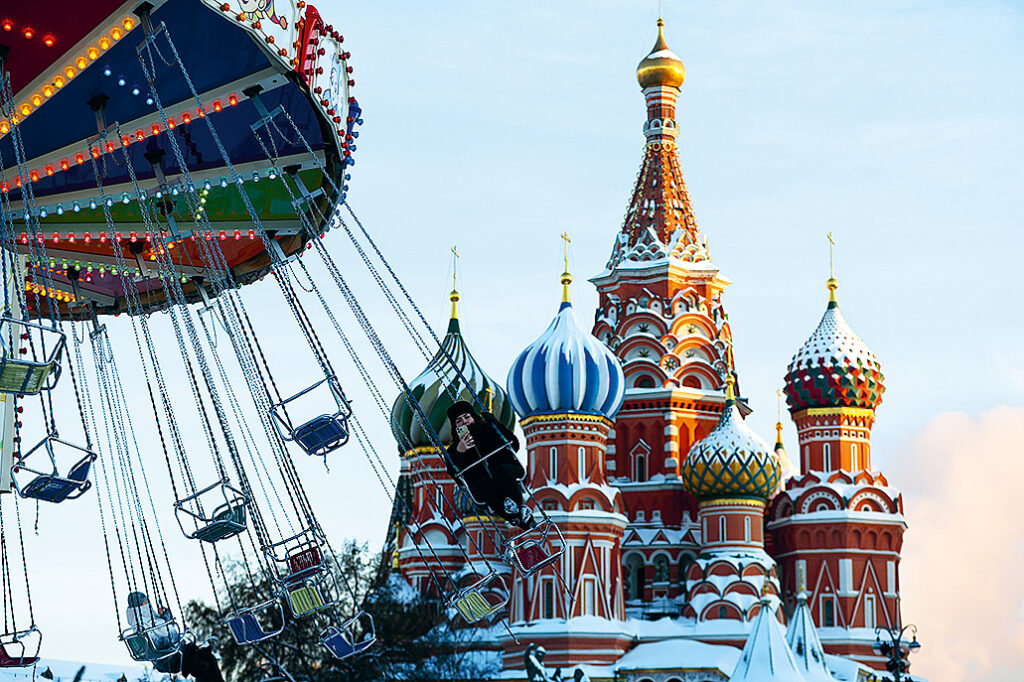
The reason for this popularity was a rather bold experiment of ours during the pandemic: when most countries had closed their borders, we opened our airport to visitors who carried not only visas but also vaccination certificates in their passports. And with several countries, such as the UAE and Oman, we have visa-free entry. In spring, geopolitical sluice gates in the form of events in the Middle East blocked this strong current. But that is temporary: once the situation in the region stabilises, the flow, having gathered momentum, will surge towards the border desks with renewed force. Russia’s appeal in the Gulf states will also be boosted by Saudi Arabia becoming the guest country at the St Petersburg International Economic Forum in 2026. Moreover, in mid-May Russia and Saudi Arabia abolished visas. The travel industry is confident that tourism will now “take off like a rocket”. As they say, time will tell; for now, let us speak to those preparing the “launch pad” for the high season.
“The geopolitical situation has made Russia a safe and fashionable alternative to Europe, and the Arab tourist today is not a chance visitor but a strategic partner. We are seeing a shift from one-off visits to charter programmes and regular enquiries from families,” notes Kamila Velibekova, partner and founder of Premier Tourism, a premium travel and events agency. She emphasises that visitors from Arab countries are distinguished by the size of their parties and the length of their stays: they arrive for at least ten days with the entire extended family in tow, including grandparents and nannies, and sometimes even private cooks. “A tour for 11 people from the UAE costing 5.9 million roubles is our standard bill for a week in Moscow,” says Velibekova. The expert acknowledges that such guests increasingly wish not only to see the capital but also to venture deeper into the country.
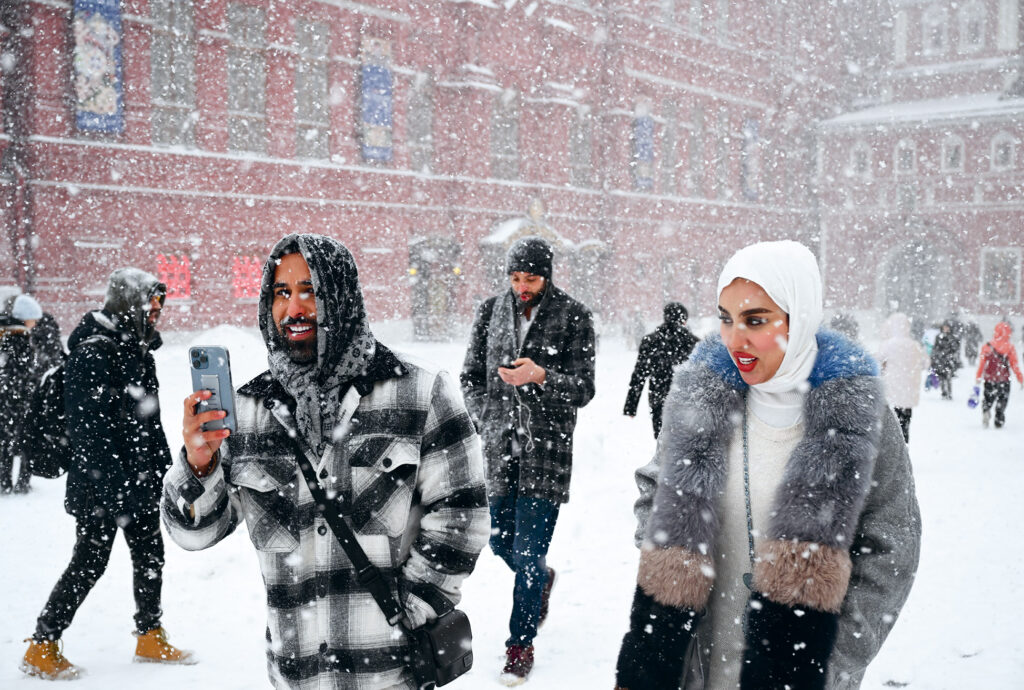
“Dazzling Moscow plus a ‘Russian fairy tale’ in the provinces. The capital is the gateway and the shop window. Here we demonstrate scale: boutique hotels, private tours of the Kremlin,” notes Ms Velibekova. “But the true discovery of recent years has been the regions. Guests want the real Russia. Tatarstan and Krasnaya Polyana in particular have become the most sought-after destinations. Tourists are prepared to pay for authenticity: a banya with birch twigs, husky sledding and monster trucks off-roading. Demand for such tours is higher precisely because of the novelty factor.” Although there is a visa-free regime between Russia and the UAE, Emiratis do not take spontaneous trips. According to Kamila Velibekova, negotiations last from 2 to 6 months. “We encounter a phenomenon that professionals call the ‘Arab ignore’: you propose a tour and receive silence in response, but it is not a refusal, merely the decision-making process,” our interlocutor observes. “The decision is taken within the extended family. Arab tourists never look for a hotel upon arrival; everything must be verified down to the smallest detail a month before departure.”
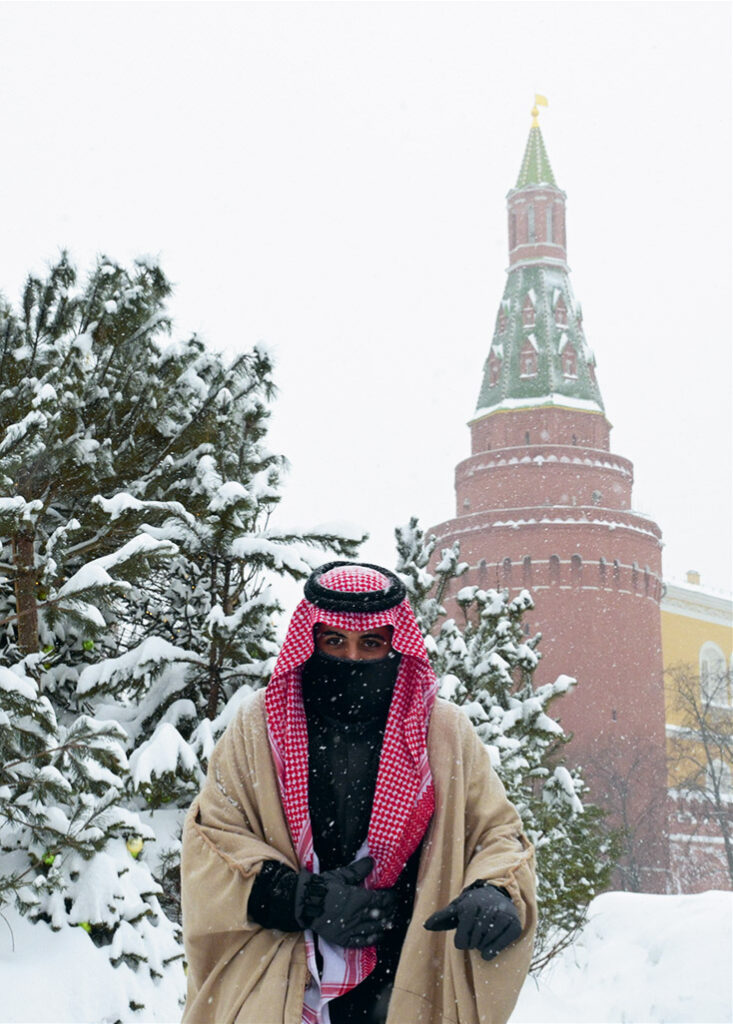
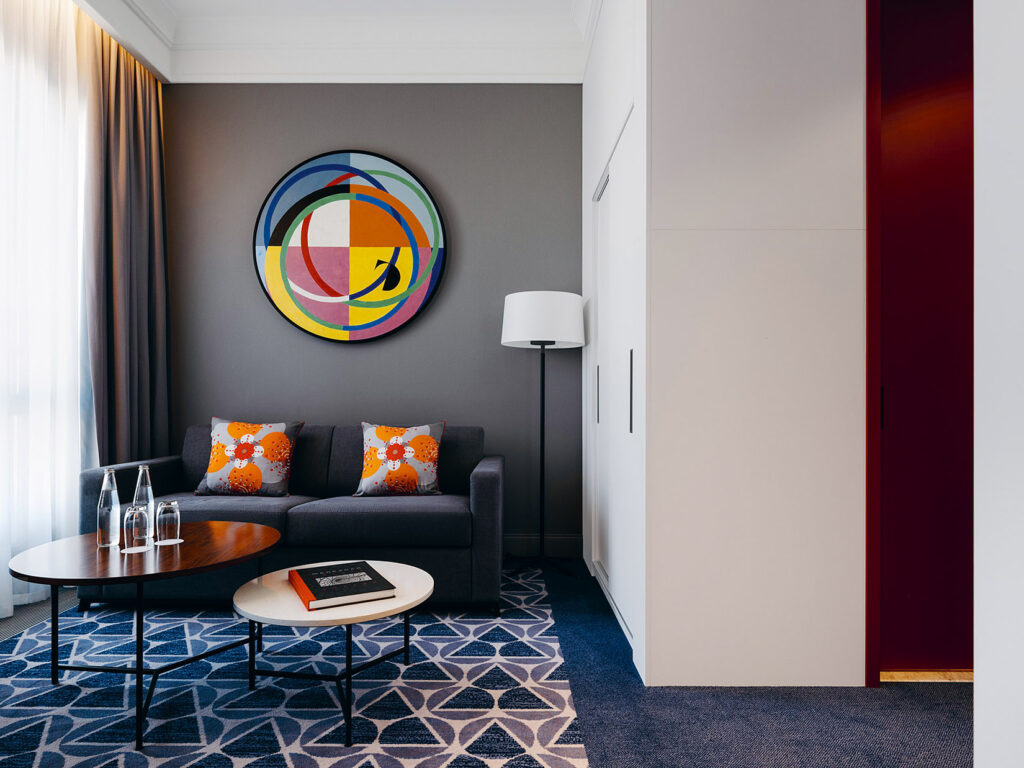
Luxury hotels have grown accustomed to such guests and adapted part of their infrastructure accordingly: menus have been translated into Arabic, national television channels tuned in, and bathrooms fitted with additional plumbing.
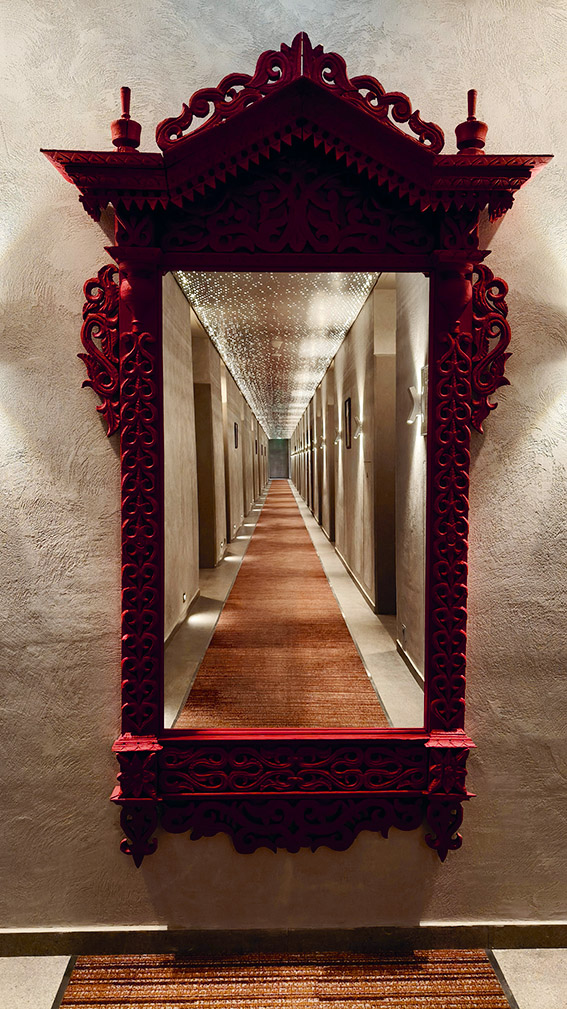
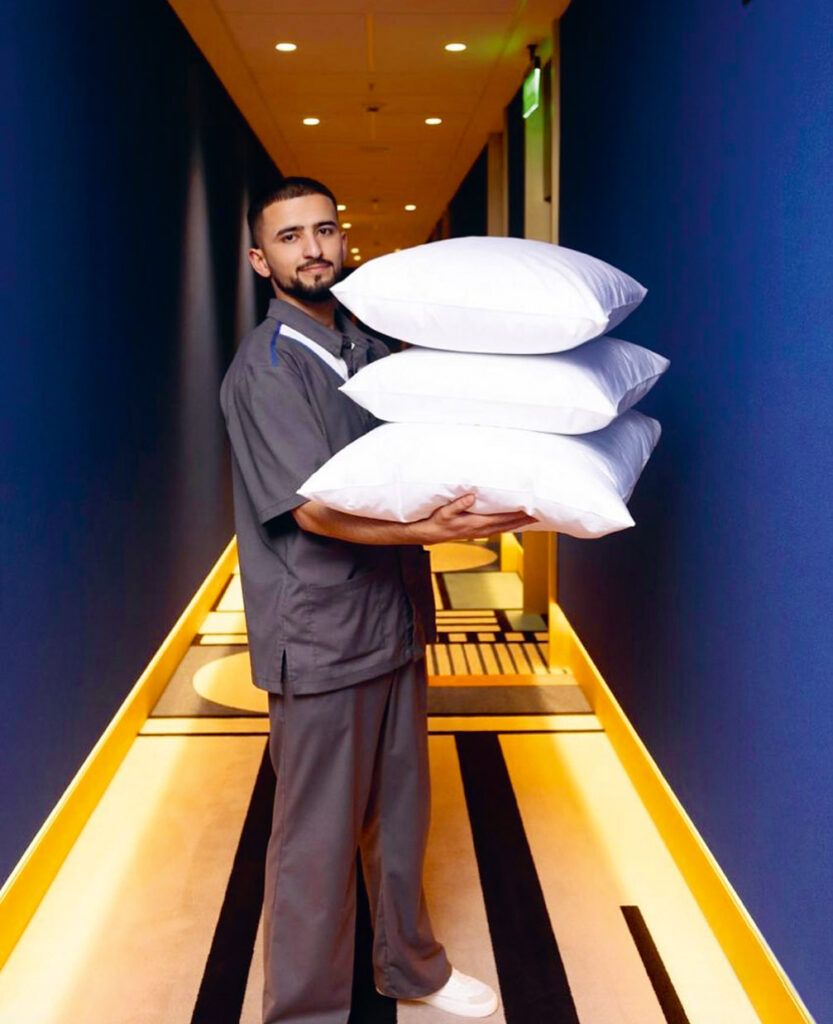
“We have approached the matter comprehensively. We train our staff in cross-cultural communication (etiquette, the particularities of interacting with women within a family). English-speaking personnel are essential,” notes Narmina Shirinova, Director of Sales and Marketing at the five-star Maidens Hotel. “We have also attended to technical details in our fittings: every bathroom is equipped with a handheld bidet shower. For guests from this region, it is not merely an additional option but a critically important element of comfort to which they are accustomed at home.”
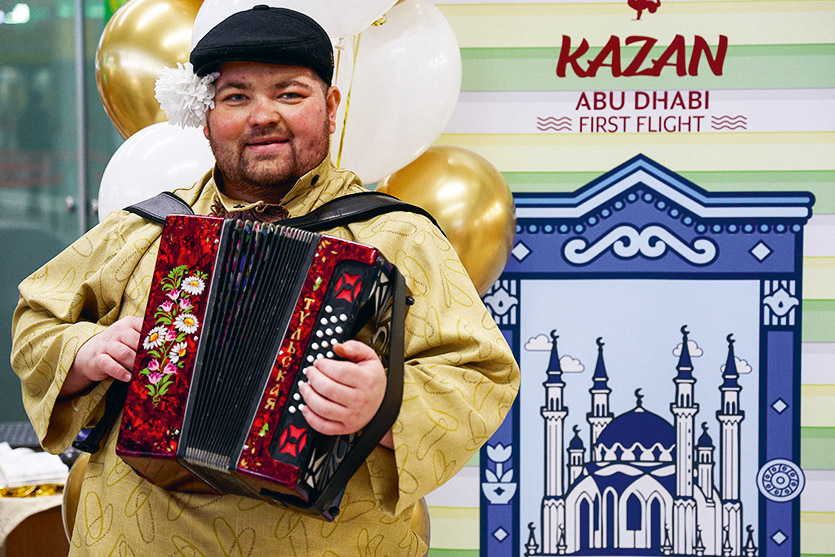
Guests who arrive for the two or three nights that are traditional worldwide for a hotel of this class are allocated rooms in such a way that it is always possible to accommodate visitors from the Middle East in adjoining superior rooms for seven to ten nights. The daily routine of such guests also shapes how the hotels operate: because of the heat, Arabs at home lead an evening and nocturnal existence, with activity concentrated in the hours when the temperature drops. When travelling, many keep to their familiar rhythm.
The Maidens Hotel offers a 24-hour concierge service, whose staff are exceptionally attentive to the requests of guests from the East. For example, visitors frequently ask for recommendations for fine-dining restaurants that hold professional awards.

Hotels that welcome such guests invariably offer a menu bearing the halal symbol. Yet paradoxes are never far away. “Guests appreciate seeing familiar Middle Eastern dishes on the menu — hummus, fattoush salad, lamb ribs prepared in a particular way,” notes Lada Samodumskaya, General Manager of Baltschug Kempinski Moscow. “But, surprisingly, our Arab guests most often end up choosing… pasta, pizza, burgers and chips. We call it ‘comfort food’ — something everyone knows and is highly likely to enjoy, especially after long walks around Moscow.”
Strangely enough, there is one dish in our country — or rather a dessert — that most Russians treat with complete indifference, while foreigners consider it simply divine. And it is not the ice cream from GUM, that enduring gastronomic symbol of central Moscow. That, of course, is also bought in great quantities. But it is the honey cake, medovik, that melts the hearts and taste buds of visitors. Perhaps it is long overdue for official recognition as the gastronomic symbol not only of Moscow but of all Russia. The Chinese, for instance, having developed a taste for medovik, spent a long time ordering it en masse from Russian suppliers who were already shipping Alyonka chocolate and the “violet sweets” made by Krokant, both popular in China. Our honey cake completed the trio of sweet bestsellers, but the Chinese have since learnt to imitate it and now sell their own version at home under the name “Russian tiramisu”. It was tourists who had visited Russia who first tried medovik, fell in love with it and promoted it widely among their compatriots.
The honey cake craze has swept up Arab visitors too, with guests building tastings of the dessert into their itineraries well in advance. The Balchug hotel is aware of this weakness and serves it to its Middle Eastern guests as a speciality. “They adore trying our medovik! Such devotion is simply a phenomenon!” notes Lada Samodumskaya. “But at the same time, they travel specifically to particular places recommended by their favourite bloggers just to taste ‘the one’. They are also very fond of chocolate desserts.”
Social media, incidentally, plays a major role in popularising Russia across Eastern countries. “For such guests, internet speed and photogenic interiors are of the utmost importance — they are active social media users and effectively act as ambassadors for our hotel in their own region, sharing content in real time,” says Narmina Shirinova.

As for entertainment, according to our sources, a “classic wish list” has taken shape. “In winter — you absolutely must go on a husky-drawn sleigh ride. In summer — at the very least, take a walk through the forest with huskies. And then there has to be a bear — to see one and have your photo taken with it. The circus (with those same bears), large entertainment complexes such as Dream Island and the zoo are all extremely popular,” notes Lada Samodumskaya. “One of my fellow hoteliers joked: ‘I used to be a hotel next to an exhibition centre, and now I’m a hotel next to a zoo’.”
Such tourists spend a great deal of time in shopping centres — Moscow’s retail offering holds considerable appeal for them, despite the departure of certain brands. Here, visitors find an alternative in domestic labels. The larger malls, for instance, host corners belonging to the Orenburg Down Shawl Factory, and in 2026 its Orenshal boutique also opened in GUM. The shop quickly found its admirers. “Individual customers from Arab countries appear regularly. We soon noticed several consistent preferences. First and foremost, these guests are drawn to the Orenburg down shawl itself as a genuine symbol of Russia. It matters to them that this is not a souvenir imitation but an authentic piece with a history that the factory has carefully preserved since 1939,” says the company’s press secretary, Maria Kotlyar. “They are deeply impressed by the fineness of the work, the hand craftsmanship, and the lightness and beauty of a true spiderweb shawl. Many listen with interest to the history of the craft and see their purchase as a chance to take home a fragment of Russian culture.” The brand’s representative notes that such buyers pay particular attention to premium pieces and frequently choose black down shawls. “Perhaps they are attracted by the nobility of the colour, its versatility and its expressiveness when combined with fine openwork,” she reflects. “Pieces incorporating silk are also in high demand — refined, pleasing to the touch and especially sought after by those who appreciate the beauty of the material and a high standard of execution. Such items are bought both as gifts and for personal use.”
Venturing beyond Moscow, tourists from Arab countries are equally keen to immerse themselves in all things Russian. “We are increasingly asked about masterclasses in traditional folk crafts or cooking sessions with Russian chefs — there is a desire to understand the culture more deeply through food and handicrafts. Country walks in the countryside are also in demand, particularly if the chosen spot has a history or tradition behind it,” notes Anna Burzakovskaya, General Manager of the 5* Sheraton Skypoint park hotel.
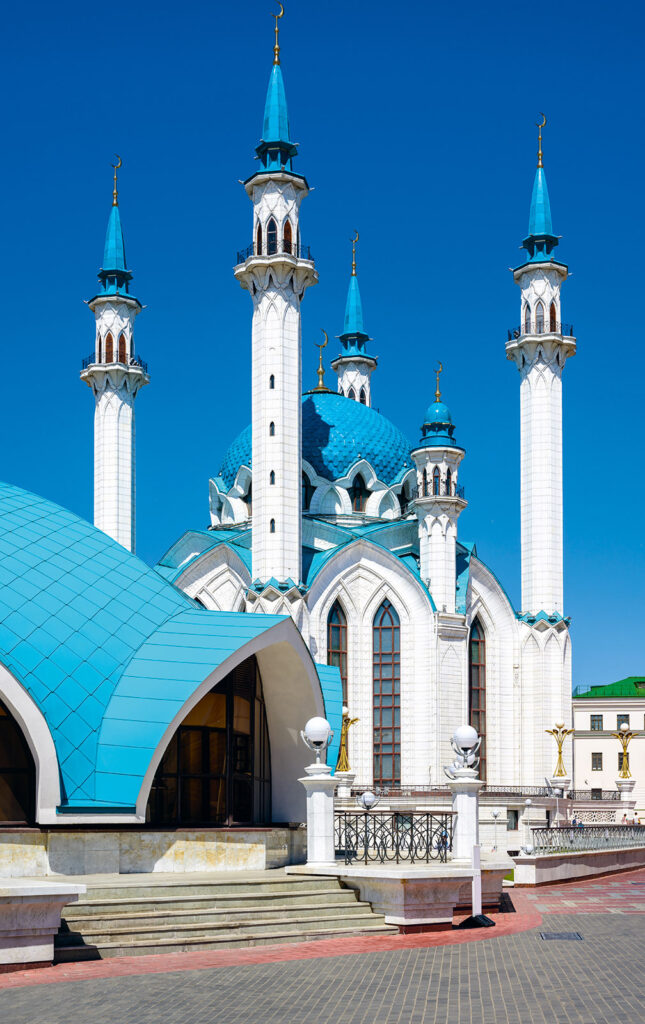
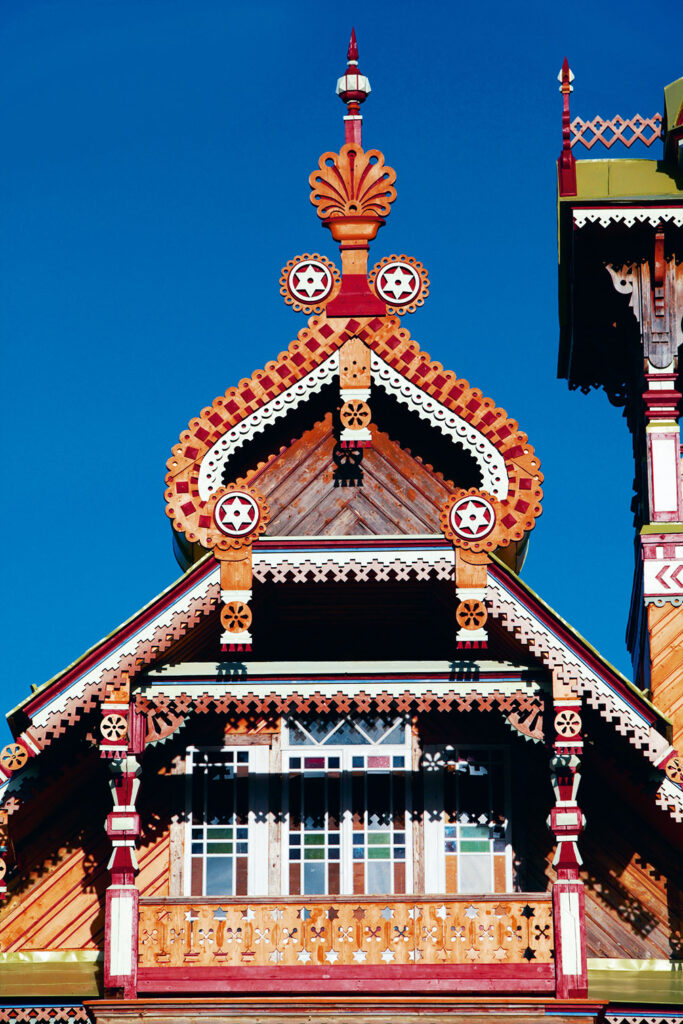
Beyond the ‘Russian fairy tale’ — when a hotel in the forest built in the Russian style is enough to create a wow factor, ideally an estate complex in the manner of Astashovo near Kostroma or the Ded Moroz Residence in Veliky Ustyug — visitors are also keen to travel to Muslim religious shrines. Especially as Russia has many of them, sometimes in unexpected places. One such site is the Khan Mosque in the town of Kasimov in Ryazan Oblast. It is a monument dating from the period of the Qasim Khanate, and its minaret is the oldest stone structure in Kasimov. The accepted date for the foundation of both the minaret and the mosque is 1467. Today it is a functioning mosque; in 2016, the first Islamic marriage ceremony, the nikah, was performed here, along with the rite of naming a newborn child. Such trips are arranged on an individual basis. Locals are, of course, glad to welcome these guests, but unlike the capital, few places are fully prepared for them.
“It creates a peculiar mismatch between supply and demand. You can reach Kasimov in a single day, or break the journey with an overnight stay in Ryazan, and the sheer richness of such a trip makes up for any shortcomings you might encounter in local catering. For instance, there is no understanding that ‘halal’ is not simply a matter of offering alternative meat dishes other than pork on the menu; it is an entire philosophy,” says Konstantin Anuchin, director of the Association of Small Tourist Towns. “Yet there are places, particularly out in the countryside, where guests would happily stay for two or three nights, but the owners of small hotels or guesthouses have no grasp of these visitors’ mindset — how important it is for them to be able to perform namaz under specific conditions. The hotel itself and its location may be excellent, but when they were designed, nobody could have imagined that times would come when such unexpected guests would appear on their doorstep. And word of mouth works extremely efficiently among Arabs. If someone takes a liking to a particular husky kennel in the forest or a holiday base by a lake, numerous relatives and friends will soon follow. There is a clear trend suggesting they will keep coming, especially during the peak heat in the Gulf states. Arriving here in the summer season, these tourists suddenly realise that summer is not always an exhausting haze, that one can walk about during the day in a comfortable 20–25 °C, that in July and August the grass is lush and green, and that flowers do not scorch under the blazing sun in the open air. And forest trails such as those at the bison nursery near Serpukhov, the elk farm in Kostroma, or simply a light-filled pine wood — for people from the desert, this is the eighth wonder of the world! You need to look at your own property from this perspective, and understand what can be changed and adapted for such guests.”
Incidentally, although the world is now borderless and the internet a wide-open window, prejudices and stereotypical thinking remain strong. And I am not talking about bears with balalaikas.
“Some guests, especially those visiting us for the first time in summer, are genuinely surprised: ‘But where is the snow? Surely there must always be snow in Moscow!’” Lada Samodumskaya smiles. “We have to explain that it doesn’t snow all year round, show them New Year photographs and invite them to come back in winter. And they do!”
As for the concerns raised by Konstantin Anuchin regarding whether accommodation properties meet the requirements of Arab guests, the situation may well be helped by the wider adoption of the Muslim Friendly voluntary certification standard introduced in 2024. It was developed by Roskachestvo’s Halal Competence Centre together with the muftiates of Russia’s regions. This code of practice draws on the standards of more than 30 countries where such a certification system already exists: the Organisation of Islamic Cooperation standard, the Gulf states standard and the Malaysian standard. A framework of this kind sets out the norms and rules that hospitality services must meet if they wish to cater for Muslim travellers. The requirements apply not to every room but to designated ones, meaning a hotel can welcome Muslim guests and those of other faiths with equal warmth.
Kamila Velibekova notes that when putting together travel packages to Tatarstan for her clients and selecting accommodation, she looks for this certificate. The first hotel in the republic to be certified was Suleiman Palace, while the Tugan Avylym national complex, certified to this standard, offers a full range of entertainment for tourists of any faith. Adlan Bolotbiev, founder of TourKavkaz, a travel agency specialising in tours of the North Caucasus, is convinced that his region has an inherent advantage with such guests. For Arab tourists, the company offers a 9-day tour of the republics of North Ossetia, Ingushetia, Chechnya and Dagestan, tailored to their requirements. This tour is recommended by the Russian Geographical Society. “We never have to ask whether our service is Muslim-friendly or not. It is our natural environment. Guests don’t need to look for a ‘halal’ sign on the menu — they can simply relax and enjoy themselves,” says our interviewee with characteristic Caucasian hospitality. “Incidentally, most of our itineraries include not only visits to the Heart of the Mother mosque, also known as the Heart of Chechnya, and other religious sites in the Caucasian republics, but also trips to Orthodox shrines, such as the Alania Assumption Monastery. That is how we show that the Caucasus is a multi-ethnic land where there is room for different religions. Visitors are surprised; before arriving, they assume that our republics, like theirs, offer no alternative to a single religion and that Islam is practised everywhere here.” According to Adlan Bolotbiev, guests enjoy every stop on the itinerary, but the greatest wow factor — and the most social media photographs afterwards — comes from the tour of Grozny and a visit to the Sulak Canyon in Dagestan. Guests from Arab countries opt for jeep tours with accommodation in 5-star and 4-star hotels. These are always premium trips, where a 9–10-day tour costs 500,000 roubles per couple, but as visitors usually come as families, the price is different. “We very often receive requests for a luxury format, so we worked out the figures and put together a package to meet those expectations, with prices ranging from 1 million to 1.2 million roubles for 10–14 days. And the guests are delighted: with the service, the scenery and the price,” notes the travel industry representative.
As Adlan Bolotbiev explains, there is one distinctive feature among his guests (whose numbers have remained steady throughout the five years he has been hosting such tourists — around 200 people a year). A family holiday is always preceded by a business trip. Alternatively, visitors arrive on the recommendation of regular clients. In his experience, no one ever books a tour independently. The “business first, leisure later” format is confirmed by Inna Alekseeva, CEO of the PR Partner communications agency. “We are successfully developing a professional community around the flagship Saudi Dates brand — date products created by the National Center of Palms and Dates (NCPD) in Saudi Arabia. One stage of this involves organising business events in Moscow and Dubai. Face-to-face networking has become an indispensable tool for establishing contacts and sharing expertise between the two countries,” notes Inna Alekseeva. According to the agency’s staff, such business trips have grown longer over time: guests take an interest in the capital’s sights and extend their stay to see Moscow, while on subsequent visits, combining business with tourism, they bring their families along.
Repeat visits are becoming increasingly common among other industry professionals too. Winter bookings are also rising by 20–40% year on year. “Arab tourists react to Moscow snow with almost childlike delight. For many of them it is a genuine exotic novelty, bound up with their idea of a winter fairy tale,” notes Kamila Velibekova.
Guests arriving in winter do not always anticipate just how “very cold” it is. Lada Samodumskaya notes that they often turn up in light shoes and trainers, entirely unprepared for our climate, and the first thing they do is head to a shopping centre for warm boots, scarves and mittens. Buying these unfamiliar items of clothing becomes a tourist attraction in its own right. Afterwards, having no further use for them, they leave it all behind in their rooms, folded into neat piles.
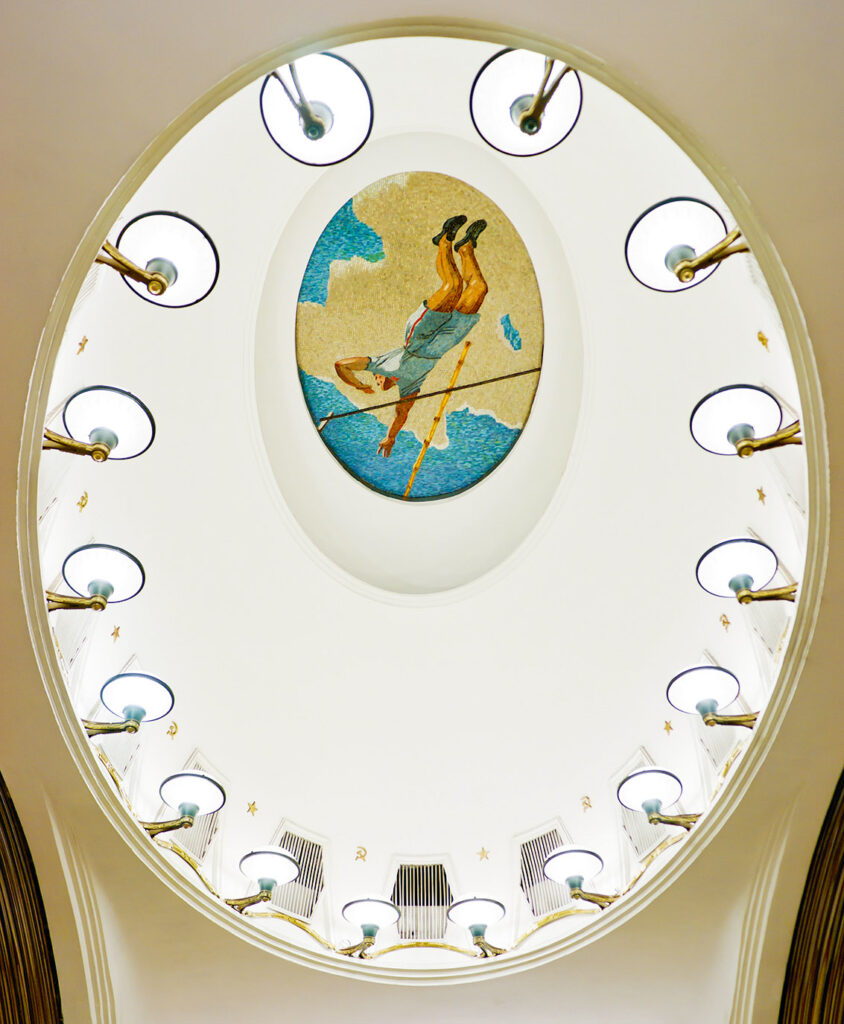
The metro also stirs strong emotions among visitors. “They describe it as an ‘underground palace’, noting its scale, the depth of the escalators and the expressiveness of the station interiors. The impression is heightened by their interest in the city’s monumental architecture, including the Stalinist skyscrapers. They adore Mayakovskaya station and the Circle Line, and pose for photographs against the mosaics,” notes Kamila Velibekova.
All the experts surveyed by our editorial team agree that Arab visitors rate Moscow highly for its cleanliness and safety, noting that the capital gives the impression of a well-kept, organised space. And most would be happy to visit Russia again, if only to see what summer evenings in the Moscow region and “Siberian frosts” are really like.