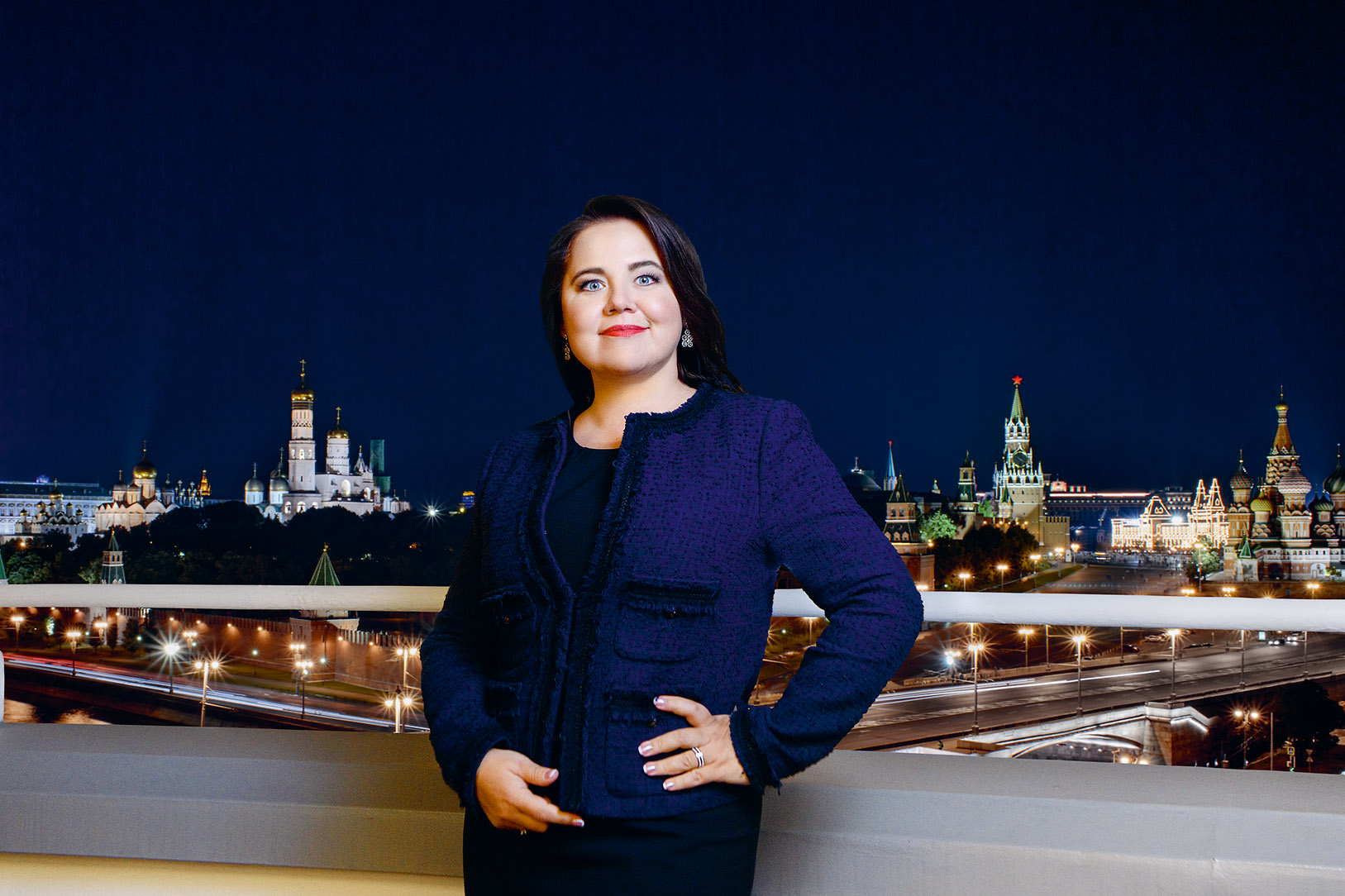
Lada Samodumskaya, General Manager of the Baltschug Kempinski Moscow, on how the hotel welcomes guests from Arab countries.
The Baltschug Kempinski Moscow, which opened back in 1992, is one of the pillars of the Moscow hospitality industry. You were surely among the first to notice the growing interest from Arabic-speaking guests in travelling to Moscow and Russia. When did this begin?
Yes, in recent years there has been a very noticeable, even rapid increase in guests from the Middle East. It began in the summer of 2021. At that time, following a successful vaccination campaign in Russia, and while entry to many other countries was prohibited, Moscow was open to vaccinated travellers. During that period, up to 60% of our guests came from the Middle East. And it proved not to be a one-off surge. Those adventurous travellers who came in the summer ‘to see what it was like’ returned in the winter with their families and friends. The flow multiplied; in some months, up to 80% of our guests were from the Middle East. Whereas in 2024 travellers from the United Arab Emirates led the way, in 2025 we saw a significant increase in the number of guests from Saudi Arabia, aided by both direct flights and the warm relations between our two countries. We also received a steady stream of guests from Qatar, Bahrain, Oman and Kuwait. Now, owing to the tense situation in the Middle East, the flow of visitors from there has all but dried up. The last notable rise in activity came during the New Year holidays. We very much hope for a swift normalisation of the situation and the return of our dear Arab travellers.
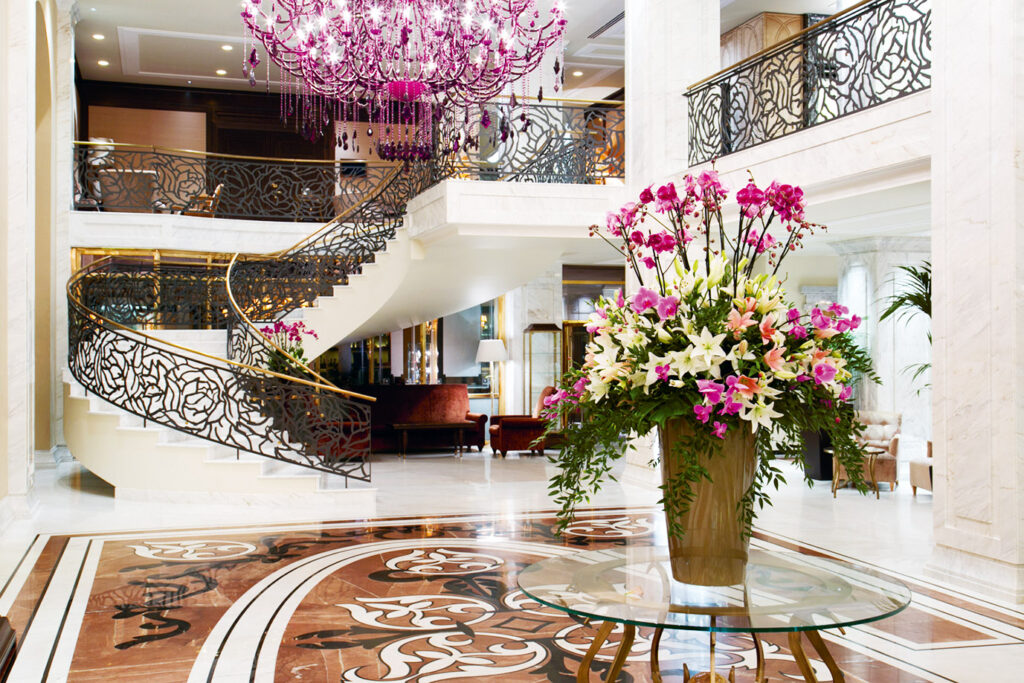
What distinguishes these travellers: is it a family holiday? If so, in what composition do such guests arrive and which rooms do they prefer?
Yes, absolutely — it is predominantly a family holiday. And these are large families, often spanning three generations: a young couple with two to four children, plus their parents and sometimes aunts, uncles and grandparents. This naturally influences the choice of rooms. They require spacious, often interconnecting rooms or suites so that the whole family can stay together in comfort. Another distinctive feature is the length of stay. While the average booking at city hotels around the world, including Moscow, is one-and-a-half to three nights (largely due to business travel), our guests from the Middle East stay for an average of five to seven nights, and sometimes ten. This allows them to take things at a leisurely pace and truly relax.
If it isn’t a trade secret, what is the average spend per guest from the Arab countries?
I won’t disclose the exact figures, but I can say with confidence that tourists from the Middle East are among the most sought-after guests for premium hotels, because they spend significantly more than, say, visitors from China or Europe. They don’t economise on comfort, good food or spa treatments; they buy expensive souvenirs and often arrive travelling light, kitting themselves out entirely in Moscow’s shopping centres, only to leave everything they have bought behind in their rooms rather than carry it home. These are high-spending guests, and their loyalty is extremely valuable to us.
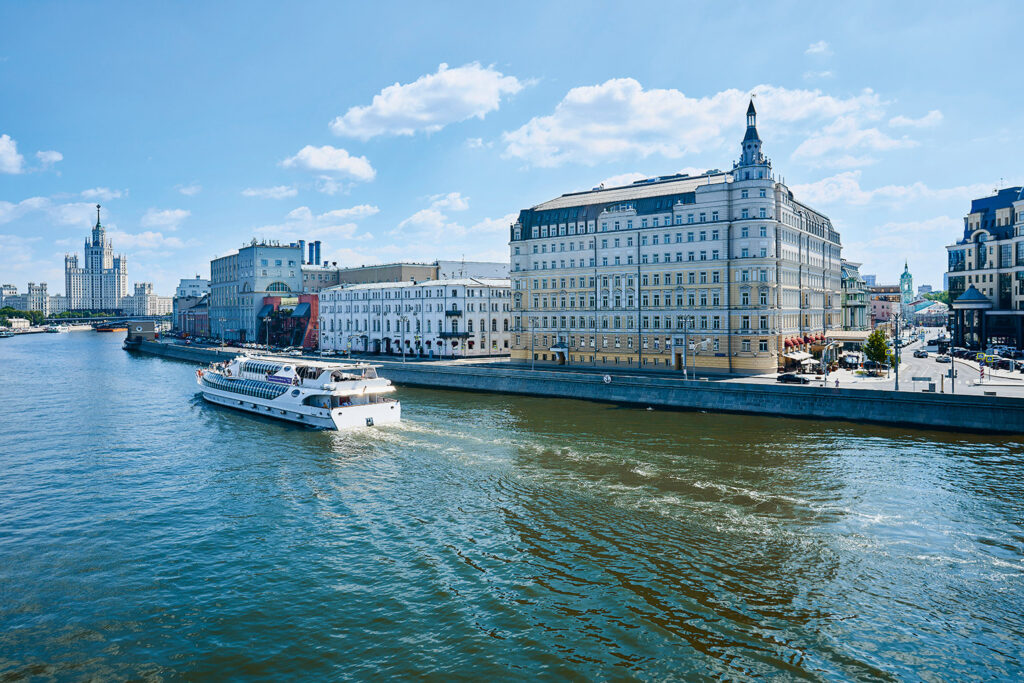
Arab culture is different: guests from the Middle East have other habits, expectations and often even a different daily routine. How do you respond to this, how do you adapt to another everyday culture?
We have great respect for the traditions and needs of our guests, so naturally we adapted. We introduced halal dishes to the menu and tuned in Arabic television channels. In the rooms and bathrooms, we installed the necessary special equipment to suit their habits and customs. As these are large families with children who stay for extended periods, we expanded our offering for younger guests and our room service, adding more familiar and favourite dishes. Knowing that our guests like to sleep late and spend part of the day at the hotel, we adjusted our housekeeping schedules to accommodate them. Breakfast can be taken at any time of day from the à la carte menu, both in the restaurants and the bar, not to mention 24-hour room service. Spa treatments and massage are in high demand. As for staff, yes, we do try to recruit employees who speak Arabic or at least know a few basic phrases, but what matters most is genuine hospitality, warmth and a willingness to help — the hallmarks of the Baltschug.
What is the most important measure of the efforts a hotel makes to ensure its guests’ stay is comfortable and unforgettable?
Our hotel is often the first thing foreigners encounter in Russia. And the warmth, care and professionalism with which we welcome every guest shapes their impression of the entire country. The greatest reward for us is when guests, as they fly home, are already discussing at the reception desk which month they will return.