One of the great Russian ballets is distinctly Orientalist: inspired by the tales of One Thousand and One Nights, Scheherazade was staged in 1910. Here, we explore how this ballet transformed choreography and fashion worldwide.
Mikhail Fokine’s ballet Scheherazade was created as part of Sergei Diaghilev’s Ballets Russes. In naming his theatrical enterprise thus, the great impresario was by no means attempting to make Russianness the principal theme of his productions. On the contrary, he deliberately played upon the space of multiculturalism — as we would say today — blending the aesthetics of West and East and revealing the diversity of Russian culture. Between 1909 and 1912, the Ballets Russes presented six ballets on Oriental themes: Polovtsian Dances, Cléopâtre, Scheherazade, Orientalia, The Blue God and Thamar, all choreographed by Mikhail Fokine with designs by Léon Bakst. Each was a resounding success. Yet Scheherazade, set to Nikolai Rimsky-Korsakov’s symphonic suite, truly stood apart among Diaghilev’s ‘Oriental’ Russian ballets, exerting a colossal influence on world choreography and Western fashion.

Does the sea lap inside Shahryar’s harem? It certainly does, if you listen closely to Nikolai Rimsky-Korsakov’s music rising from the orchestra pit. The explanation lies in the fact that the composer — who graduated with distinction from the Naval Cadet Corps and spent many years sailing the seas and oceans — was inspired above all by the voyages of Sinbad the Sailor when writing his 1888 suite based on the tales of One Thousand and One Nights, and the first movement is precisely a seascape. The power of the waves (later put to good use in the ballet to convey the might of the legendary ruler) and their gentle lapping (music perfectly suited to the tender movements of the harem’s inhabitants).
In 1910, when Sergei Diaghilev conceived the idea of staging a ballet based on the Arabian tales for his company, he was drawn above all to the second movement of the suite, in which Rimsky-Korsakov makes the greatest use of oriental motifs. The team responsible for the production — choreographer Michel Fokine, designer Léon Bakst, Alexander Benois, who worked on the libretto, and Diaghilev himself — took the first, second and fourth movements of the suite and discarded the third entirely (a decision later protested by the composer’s widow). The plot was also radically altered: there was no Sinbad and no Roc bird, and the action now unfolded exclusively within Shahryar’s harem. The fearsome ruler set off hunting, and while he was away, the bribed guards admitted a group of slaves to his wives, with whom the women merrily passed the time. Shahryar’s favourite wife, Zobeide, met with the Golden Slave (the dancer wore trousers of the appropriate colour); at the worst possible moment the husband returned and ordered everyone at the party, men and women alike, to be killed. He paused for a moment to consider Zobeide’s fate (she was evidently very dear to him), but the woman, seeing the Golden Slave perish, plunged a dagger into herself. Rimsky-Korsakov’s music — tempestuous, flowing and agitated — suited this story perfectly, and became one of the most important ingredients in the ballet’s extraordinary success.
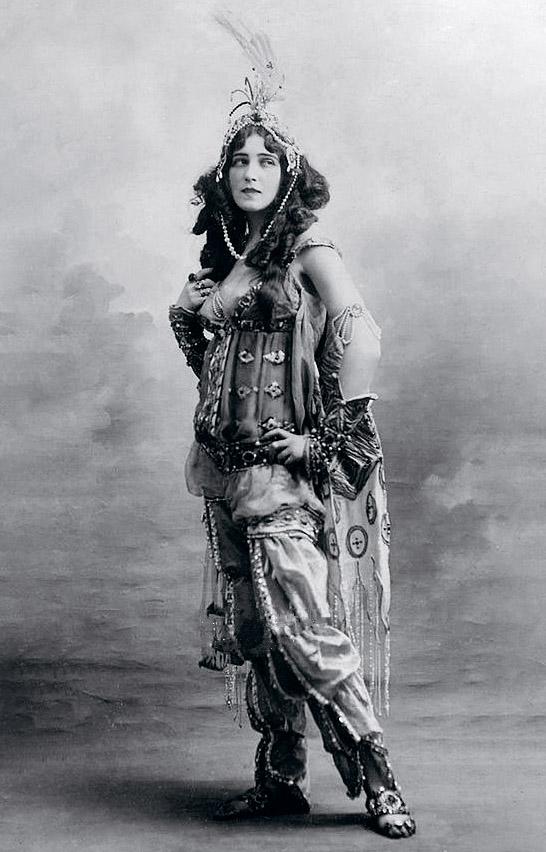
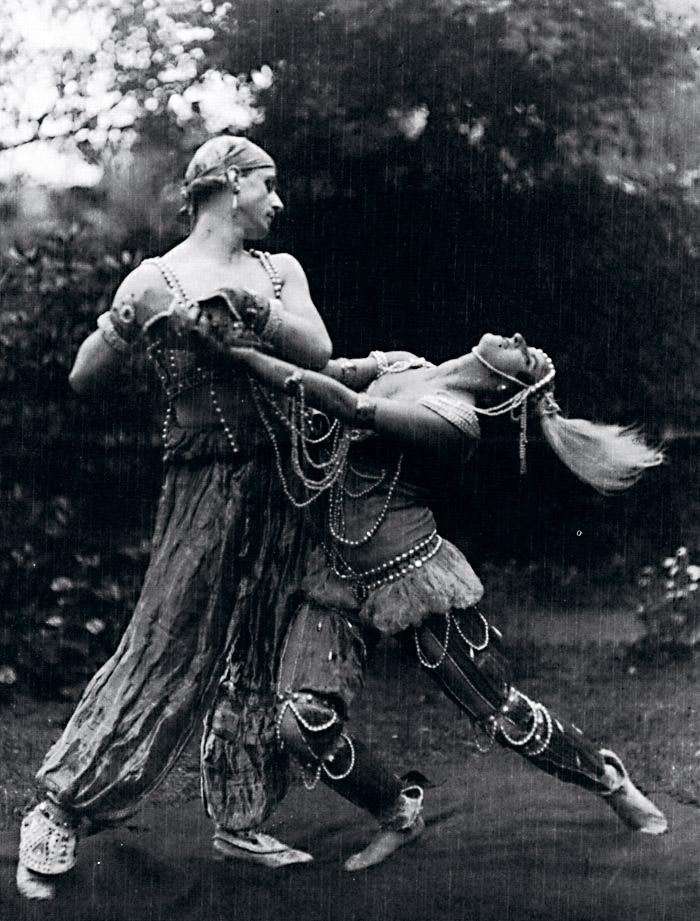
Scheherazade was first presented by Diaghilev’s enterprise on 4 June 1910 at the Paris Opéra — and it was a genuine triumph. Incidentally, why Scheherazade? There is no such character in the ballet, after all. Here the creators were directing the audience to One Thousand and One Nights: everything unfolding on stage was intended to be one of the tales told by Scheherazade herself.
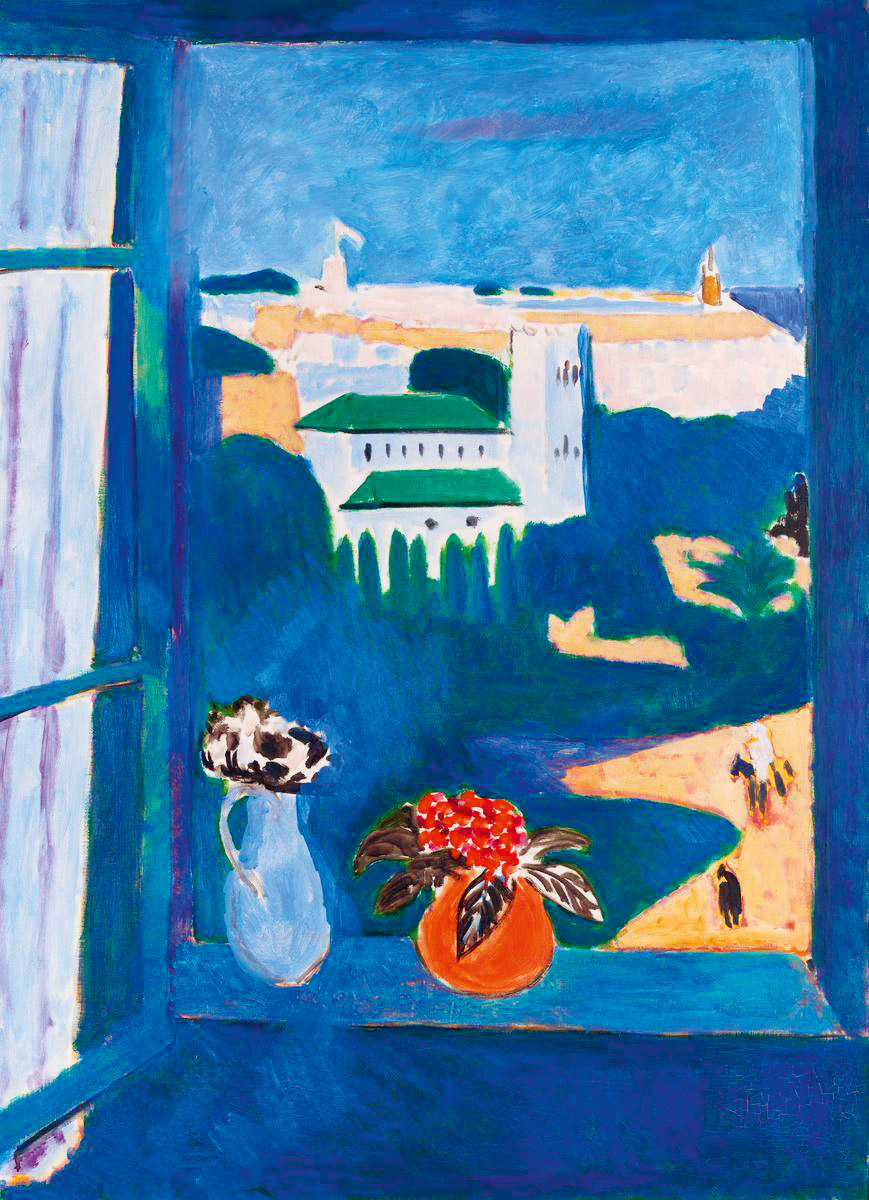
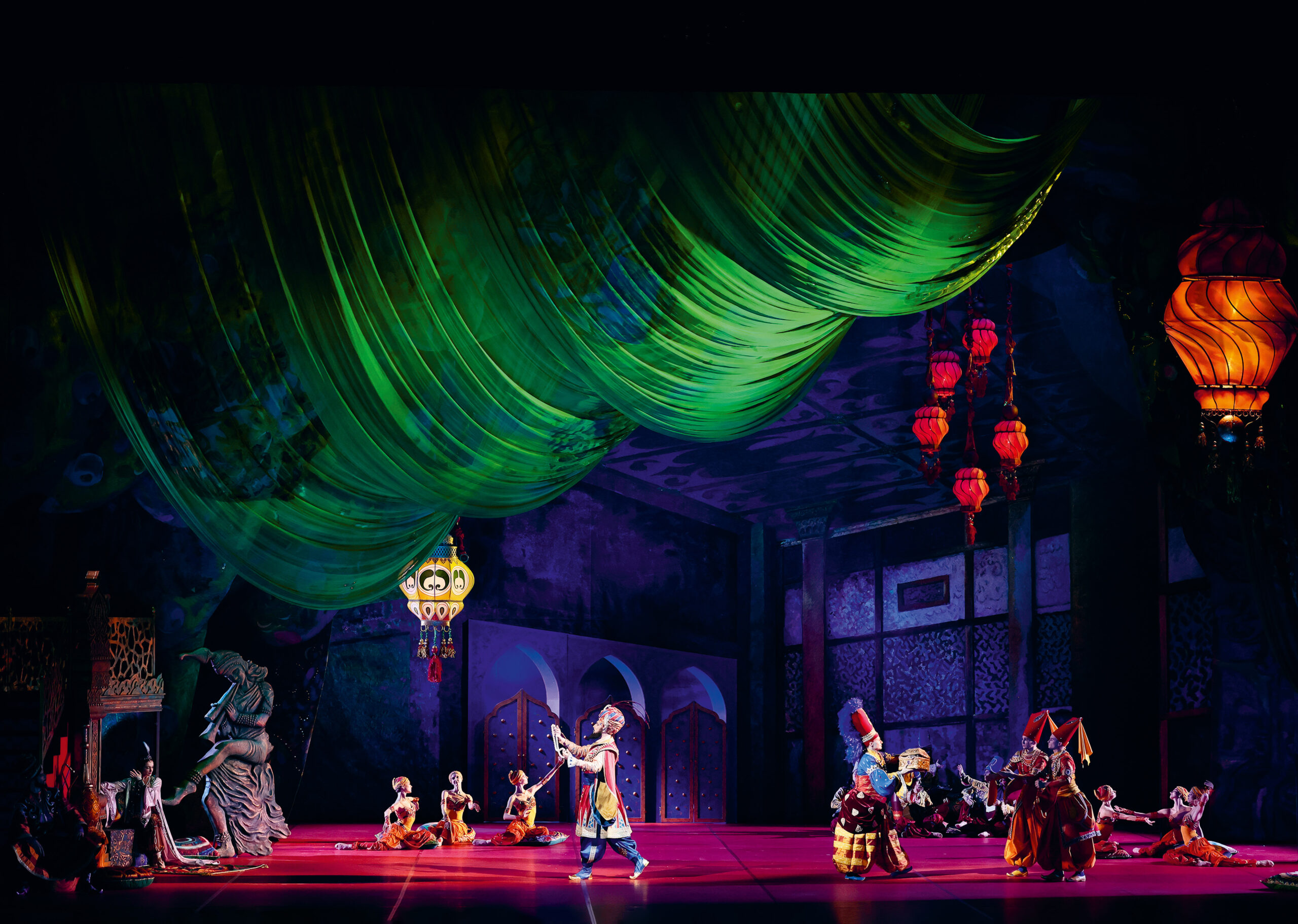
Several factors contributed to the ballet’s triumph: the fashion for the Orient then prevailing in Parisian salons; the vogue for all things Russian (Diaghilev was visiting the French capital for the fourth time with a company of St Petersburg artists, and the second time with his ballet); and the undeniable talent of everyone involved — from Léon Bakst, who designed the fantastical Eastern interiors, to the wild grace of Vaslav Nijinsky, cast as the Golden Slave. “Half cat, half serpent,” Alexander Benois wrote of him. Benois’s testimony is especially valuable because he had been slighted by Diaghilev yet still gave the premiere its due, despite his ill will towards the impresario (who had simply forgotten to include his name on the playbill). This is what else he wrote about the production: “When the curtain rises on this grandiose green ‘alcove’, one immediately enters a world of singular sensations, precisely those evoked by reading Arabian tales. The emerald tone alone of these draperies, curtains, walls and throne, the blue night streaming through the latticed windows from the sultry harem garden, these heaps of embroidered cushions and mattresses, and amid such grandiose intimacy these half-naked dancers amusing the sultan with their supple, strictly symmetrical movements — all of it enchants at once and absolutely. It seems as though spicy, sensual fragrances are wafting from the stage, filling the soul with unease, for one knows that here, after the feast and the madly sweet visions, streams of scarlet blood must flow.”

Scheherazade opened the door to eroticism on stage — and gave the impresario his excuse: all of this, after all, was happening not here, but in a fairy tale. Later, no longer within Diaghilev’s enterprise, Mikhail Fokine inserted into the production a duet he had made for himself as the Golden Slave and for his wife Vera as Zobeide; it is danced to the music of the suite’s third movement, previously cut, and the whole thing is concentrated eroticism. The duet of Zobeide and the Golden Slave makes the auditorium hold its breath: this was so even when the “principal” duet was absent — Ida Rubinstein, an exceptionally tall dancer with regal manners, and the short, darting, animal-like Nijinsky did nothing “indecent” on stage, yet created such an atmosphere of tension and closed the space around themselves so completely that their physical dialogue seemed to take place not in a hall filled with dozens of other harem inhabitants and slaves, but on a desert island. Absolute passion, absolute belonging to one another — the duet always unfolds in complete silence from the house, and then that house erupts in ovation.
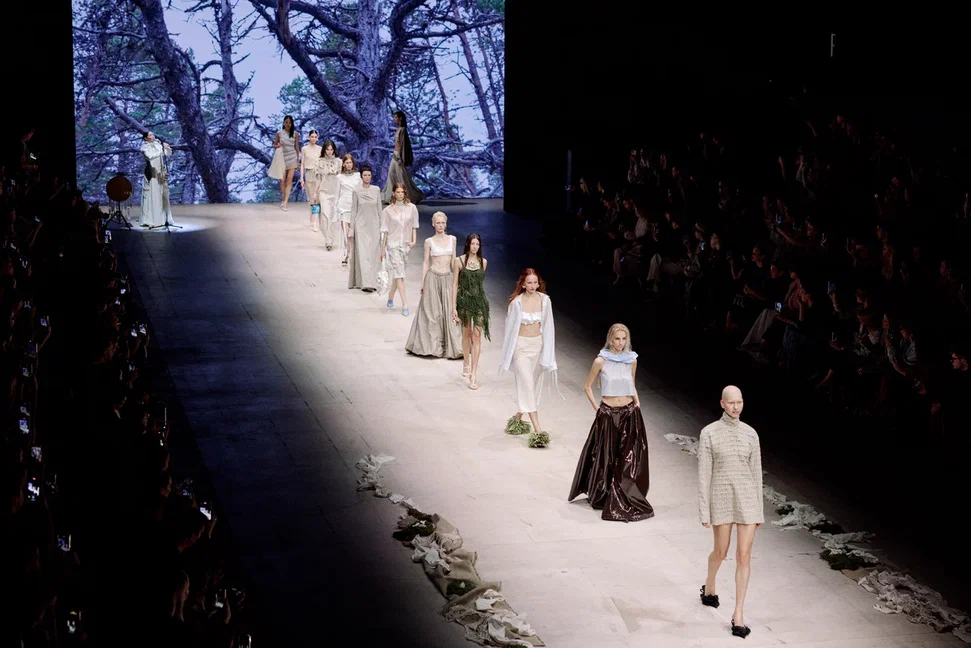
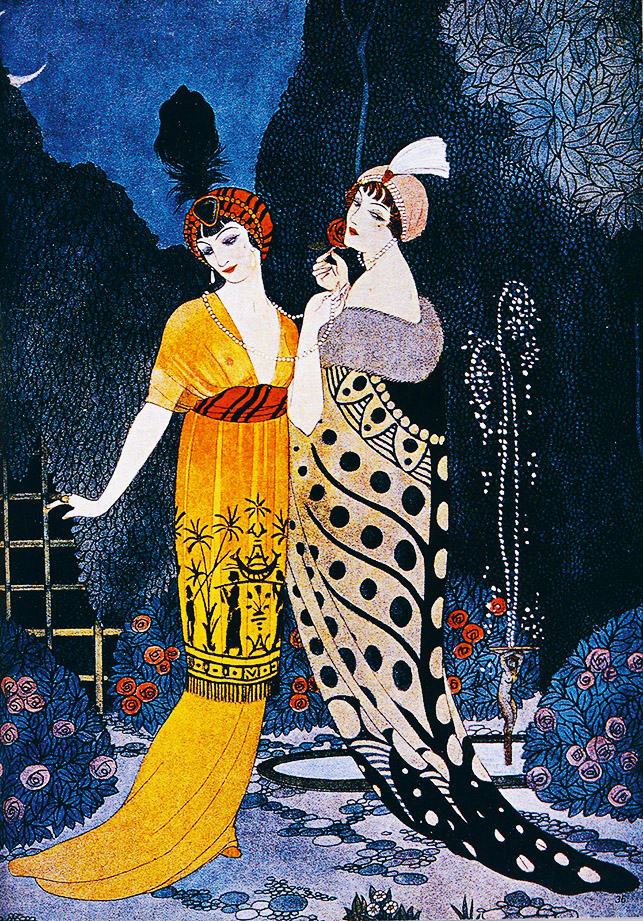
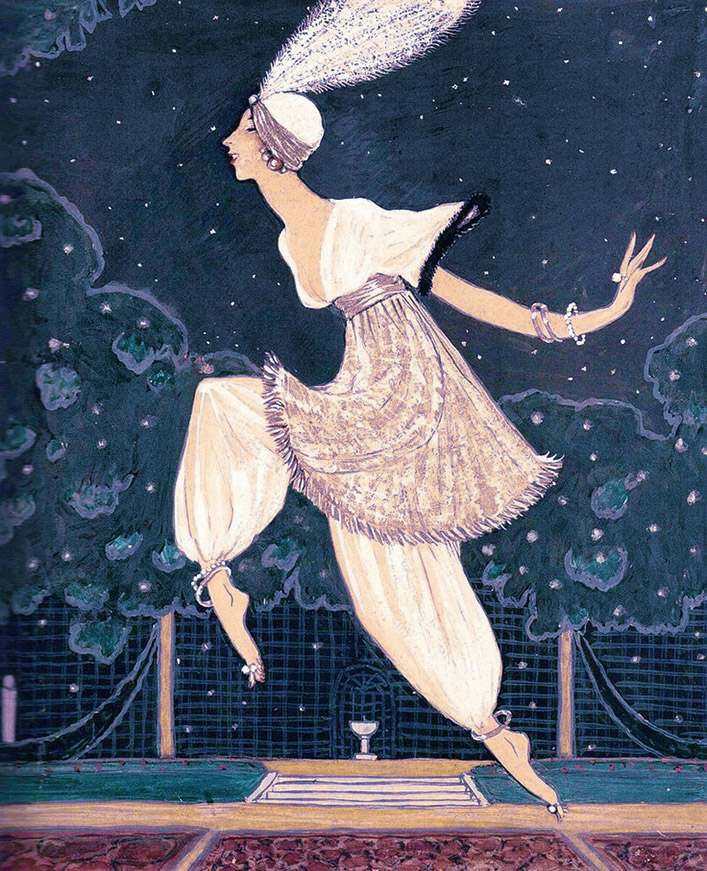
Paris went mad for this ballet: volumes of The Thousand and One Nights instantly became fashionable (the tales had first been translated into French more than three centuries earlier, but interest now flared up with renewed force), fancy-dress balls were held, and ‘Scheherazade fabrics’ appeared in the shops. Later, after Diaghilev’s death and the disbanding of his enterprise, former members of the company recalled this ballet in the European and American troupes they joined — thus giving rise to a whole series of ‘variations on a theme’. In Soviet Russia, however, the production was never staged: it was deemed far too bourgeois.
The fact that we can see Diaghilev’s Scheherazade in Russian theatres today is thanks to Andris Liepa. Interest in the ballets of the Ballets Russes was first kindled by his father, the legendary Bolshoi Theatre principal Maris Liepa, who reconstructed Michel Fokine’s little masterpiece Le Spectre de la Rose. Andris joined forces with the choreographer’s granddaughter Isabelle Fokine, who granted him access to her archive, and continued his father’s work — and in 1994 Fokine’s Scheherazade was presented for the first time on the stage of the Mariinsky Theatre.
On the same evening, Fokine’s resurrected The Firebird was danced alongside it — an Arabian and a Russian fairy tale entered into an intriguing dialogue and instantly won the hearts of both artists and audience. Yet Scheherazade proved especially magnetic: every ballerina in the company dreamed of becoming Zobeide, and every premier longed to dance the Golden Slave. The sets, after Bakst’s designs, were created by Anna and Anatoly Nezhny — this could hardly be called a meticulous reconstruction, but it was certainly an enamoured fantasia on a given theme. The success inspired Andris Liepa and prompted him to continue his work in bringing back the ballets of Diaghilev’s enterprise; moreover, Russian stages saw not only Petrushka, still fresh in the memory of contemporaries, but also those ballets of which almost nothing survived, such as The Blue God or Thamar. Liepa never claimed to be undertaking scholarly reconstruction, yet he has returned — and continues to return — to audiences the legends of productions that once caused a sensation. Today Scheherazade is in the repertoire of both the Bolshoi and the Mariinsky theatres (the Bolshoi premiere took place in 2025). It can also be seen at the Samara Opera Theatre and on tour in various cities and countries regularly visited by Andris Liepa’s project ‘Russian Seasons of the 21st Century’.

The ballet born of Diaghilev’s enterprise is not the only possible incarnation of Rimsky-Korsakov’s suite. One of the most striking variations on the theme was created a decade and a half ago by Jean-Christophe Maillot, artistic director of Les Ballets de Monte-Carlo. He took his inspiration from Fokine’s production (even placing a dedication to it on the poster), but made the movement far more explicit — so much so that one feels the performance ought to carry an adults-only restriction. The odalisques and slaves on stage leave their desires in no doubt and proceed to act upon them. The venerable Dance Magazine described the production as hot and spicy. Last autumn, the Italian Mauro Bigonzetti, who works extensively around the world (and who once created Cinque, a striking one-act piece for the Bolshoi ballerinas), offered his own version of the story for the Czech National Ballet — there the emphasis fell on the intelligence and resolve of the heroine, and on the rebellious nature of the slave.
In Russia, Scheherazade has been given two unusual outings in recent years. In 2019, Alexei Miroshnichenko, the local artistic director, staged it in Perm, and in the spring of the year before last Ivan Kuznetsov, who heads the company in Rostov-on-Don, did likewise. Contrary to ballet tradition, the Perm production is titled Shakherezada, because its heroine is Farah Pahlavi, the last Shahbanu of Iran. The story of her meeting with her future husband and of sharing his fate in every respect — from a life of luxury to exile — became the material for a moving production in which the leading role was danced by Diana Vishneva, prima ballerina of the Mariinsky Theatre. The artistic director in Rostov, meanwhile, was drawn to Rimsky-Korsakov’s music as a means of telling a tragic love story. Not one driven by carnal desire, but by the soaring of the soul: in his version, the heroine is married off to the shah, yet she loves his brother. She throws herself into his arms in utter abandon, fearing nothing, and soars above the stage free — free for a second, but free nonetheless. Then, of course, she is killed, and the brothers are reconciled. Yet however many new circumstances and stories contemporary choreographers may devise, Scheherazade remains in history first and foremost the triumph of 1910, with its oriental charm and the desperate dancing of the odalisques and slaves of that era.